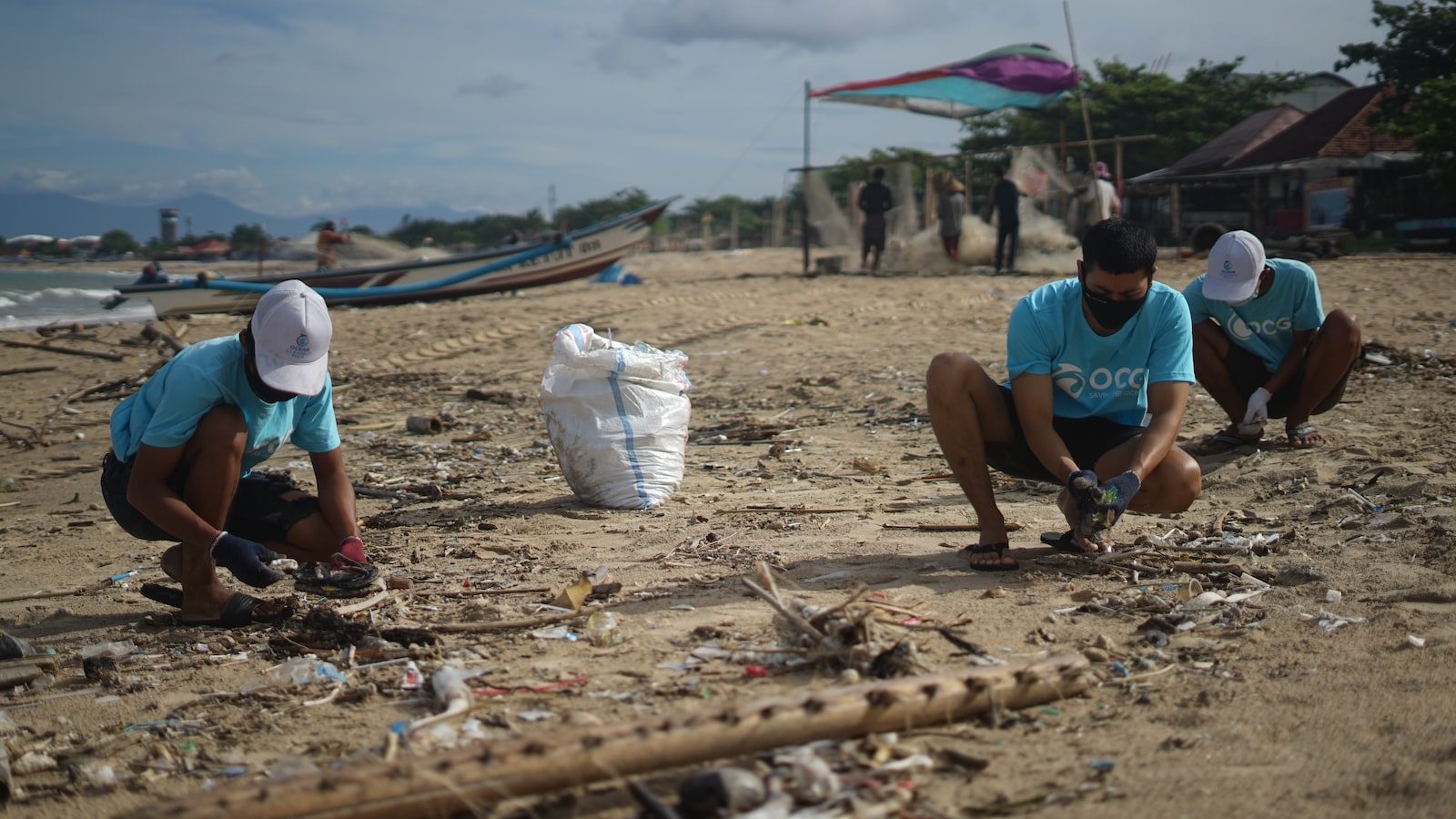
Climate-responsive leaders can energize employee purpose to drive change
Employees increasingly want to support environmental and social causes with their careers. Climate-responsive leaders can use this trend ignite sustainable transformation.

Employees increasingly want to support environmental and social causes with their careers. Climate-responsive leaders can use this trend ignite sustainable transformation.
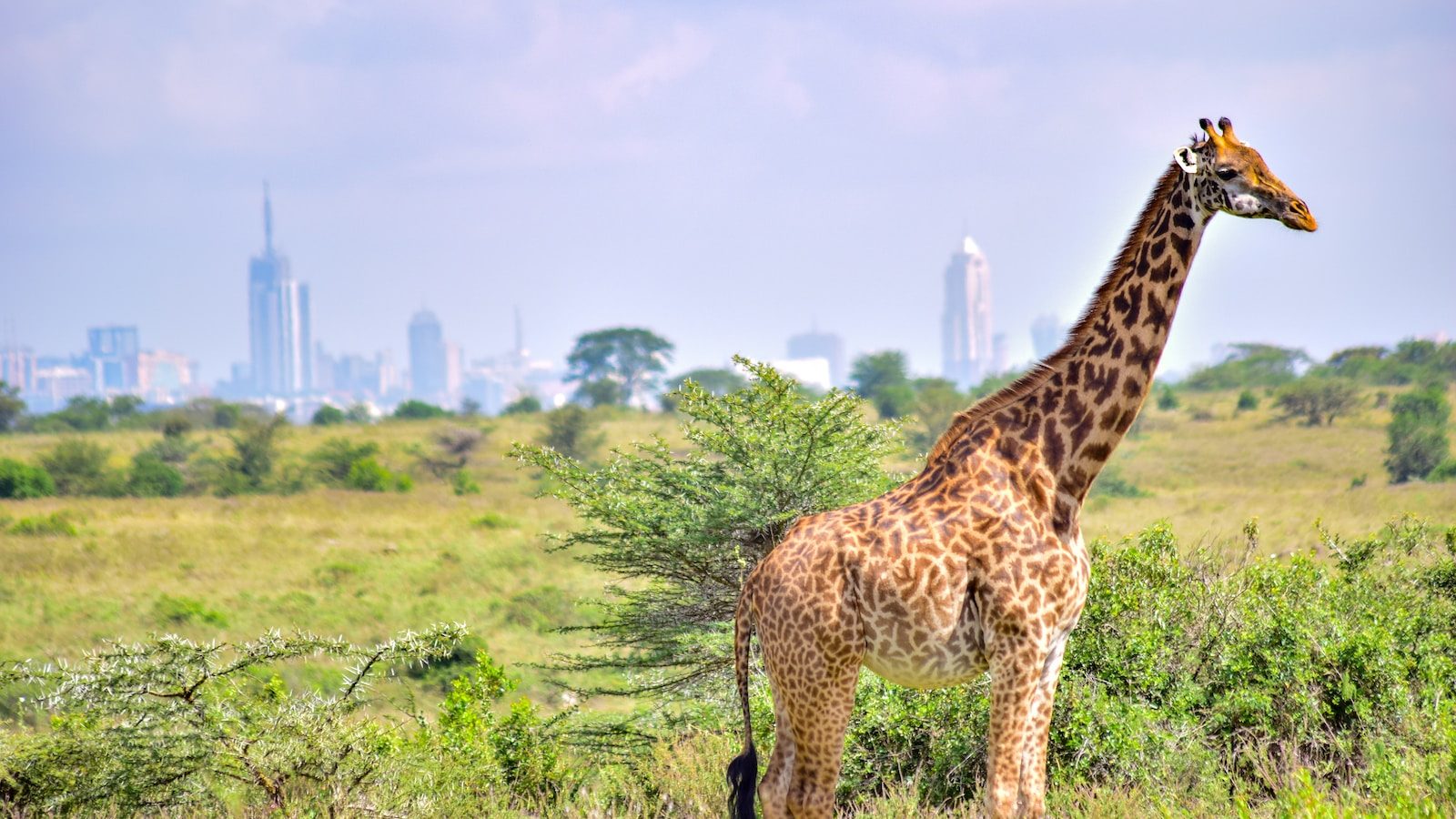
Working across the financial sector, ICEA LION models the power of collaborative partnerships to co-create a sustainable future.

Globalization and technological innovation are rapidly transforming policy, business, and the environment. Systemic coaching aims to meet complex and changing client needs with a future focus.

The Climate Coaching Alliance (CCA) helps coaches deepen their ecological awareness by holding space for curiosity and collaboration. Dr. Josie McLean and Eve Turner share how coaches are reimagining the relationship between people and the planet.

Consumers are demanding greater environmental accountability from businesses. Leaders can use coaching approaches to design sustainability goals that support a company’s core values.
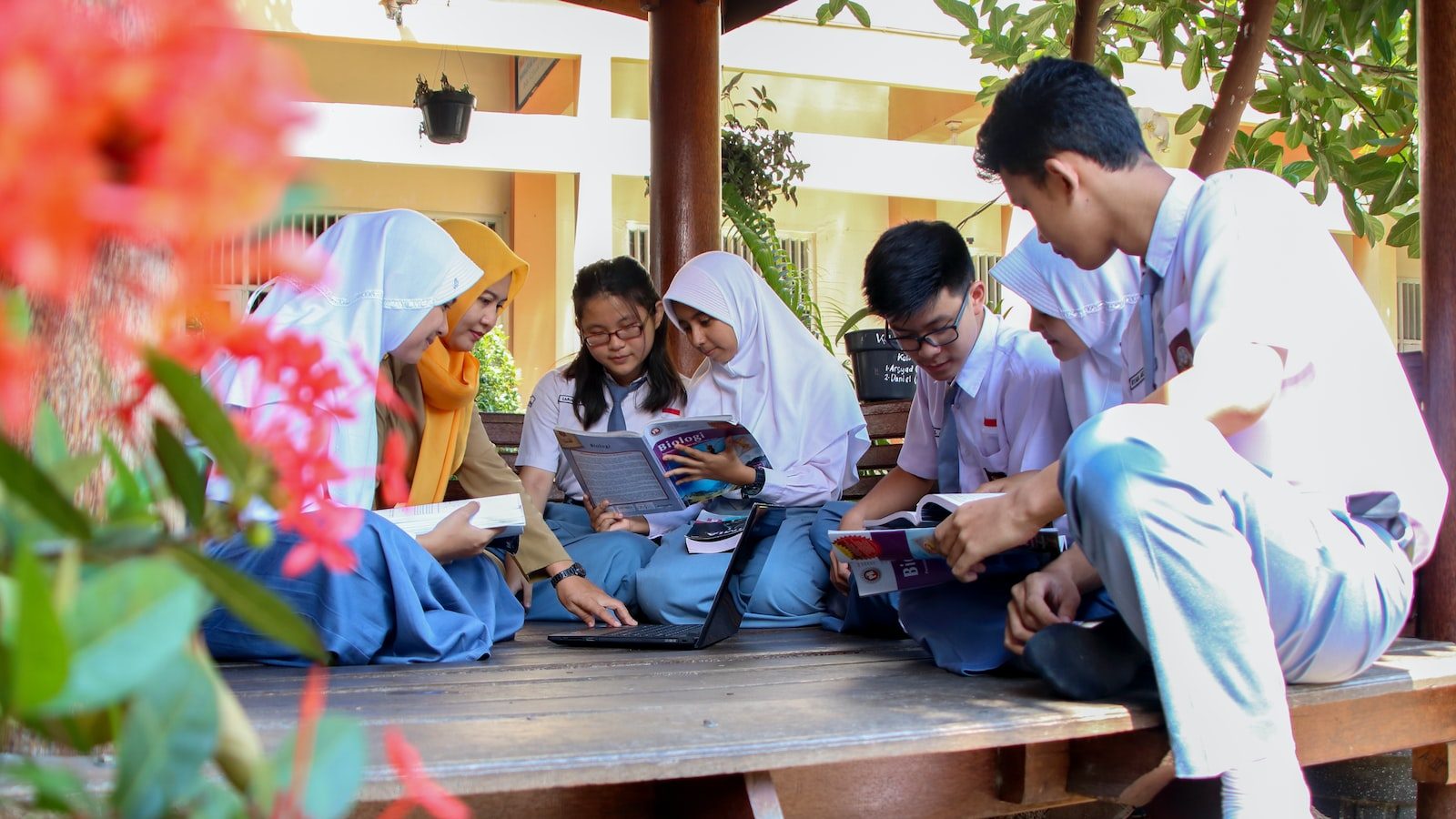
Increasingly, organizations expect workers to understand environmental, social, and governance (ESG) standards. A coaching approach can help educators model ESG proficiencies to students.

Leadership development that enhances soft skills will help future sustainability leaders to create thoughtful solutions for complex environmental issues.
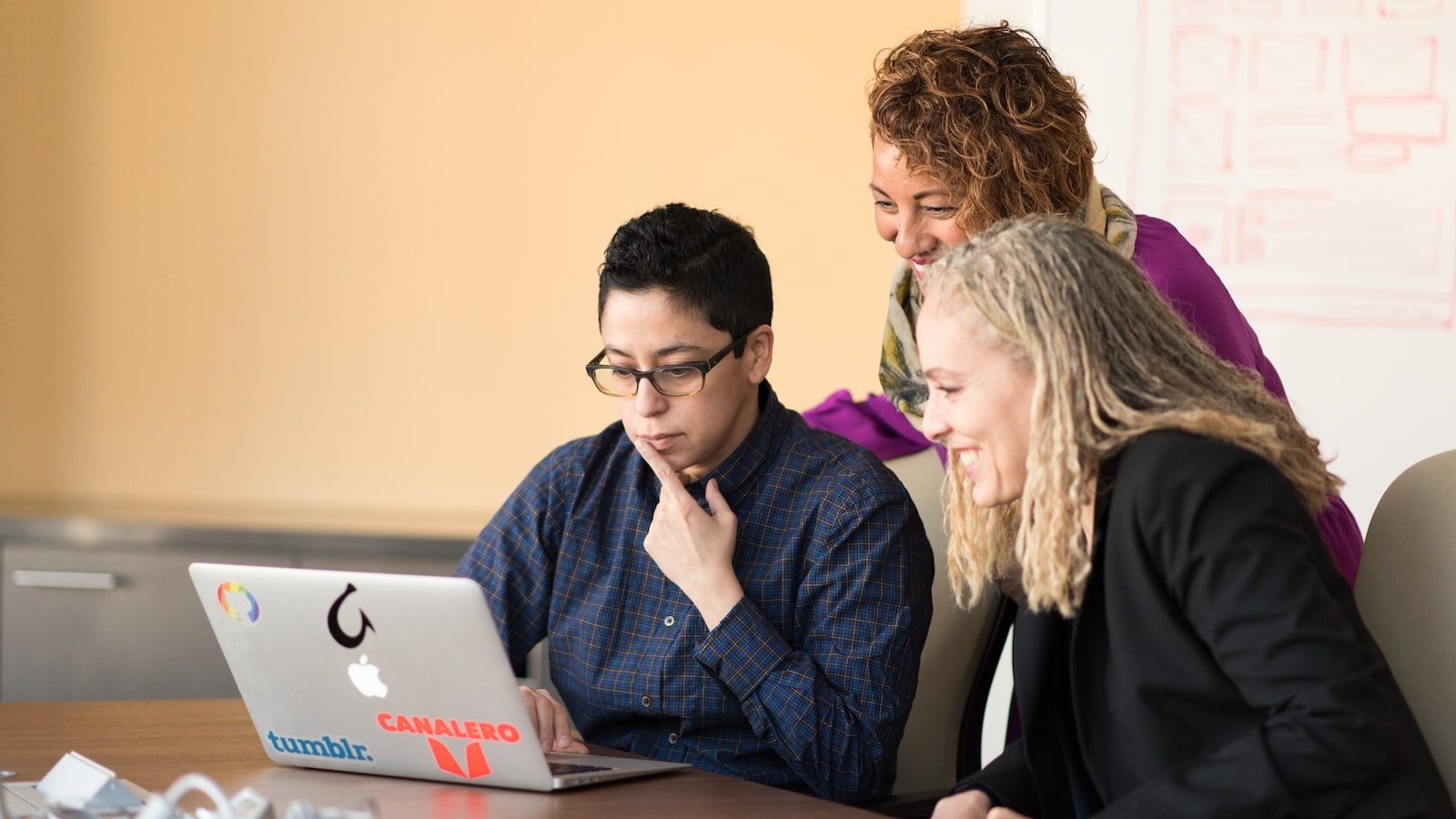
The field of sustainability is constantly evolving. Organizations will need to build adaptive teams that continue to learn and grow through change.
By implementing sustainable products and services without greenwashing, businesses can embrace profitability and meet consumer desires for eco-conscious choices.

Governments and consumers are pushing organizations to adopt sustainable business practices that restore ecosystems, address waste, and reduce carbon emissions. Coaches can help guide thoughtful transformation in business.